Best Air Source Heat Pumps of 2026: Reviews and Buyer’s Guide
Air source heat pumps have become the go-to choice for efficient home heating and cooling across the country. They’re up to 4 times more efficient than electric resistance heat, and with the federal 30% tax credit currently available, the economics have never been better.
How Air Source Heat Pumps Work
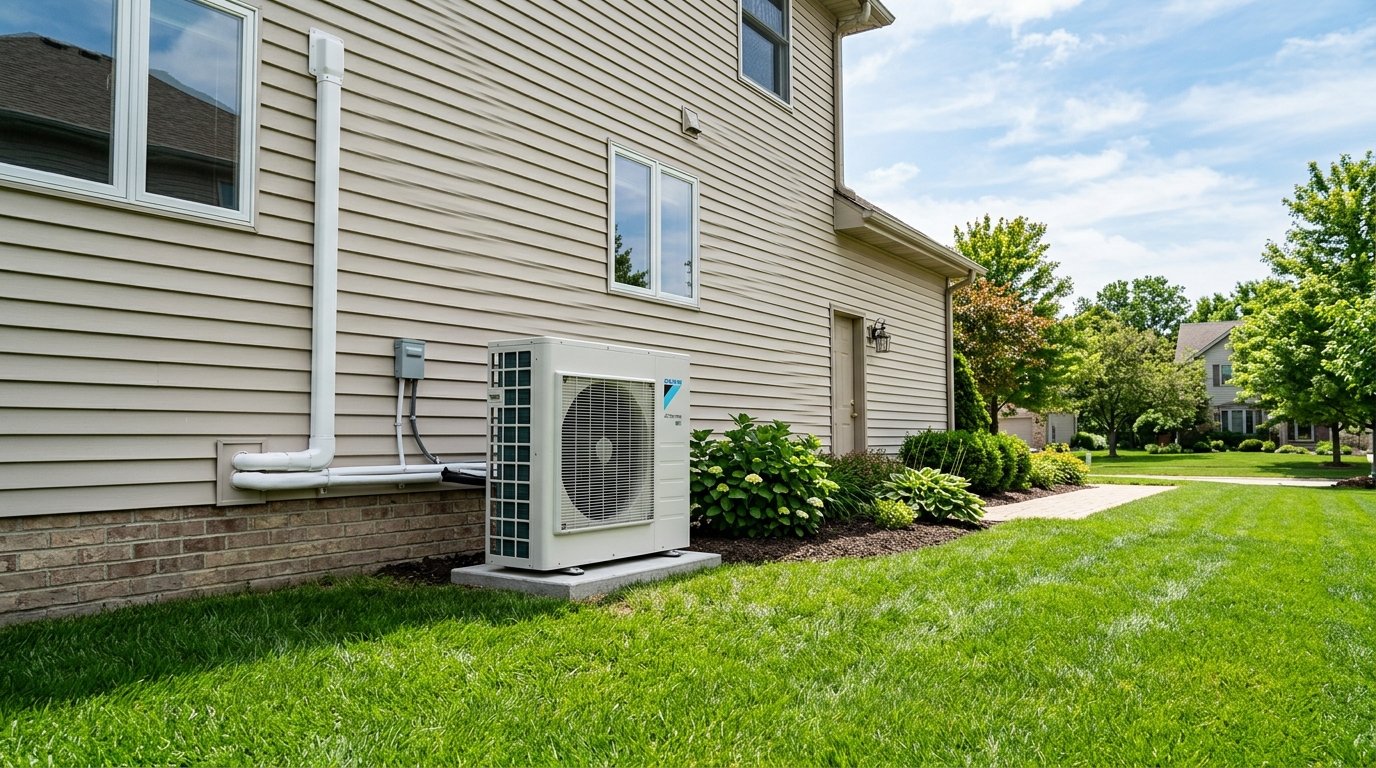
Despite the name, heat pumps don’t generate heat — they move it. In winter, they extract heat energy from outdoor air (even at temperatures below freezing) and transfer it inside. In summer, they reverse the process, acting as an air conditioner. One system handles both jobs.
The efficiency metric is COP (Coefficient of Performance). A COP of 3 means the system produces 3 units of heat energy for every 1 unit of electrical energy consumed. That’s 300% efficiency — impossible with resistance heating, which maxes out at 100%.
Types of Air Source Heat Pumps
Ducted (Central) Heat Pumps
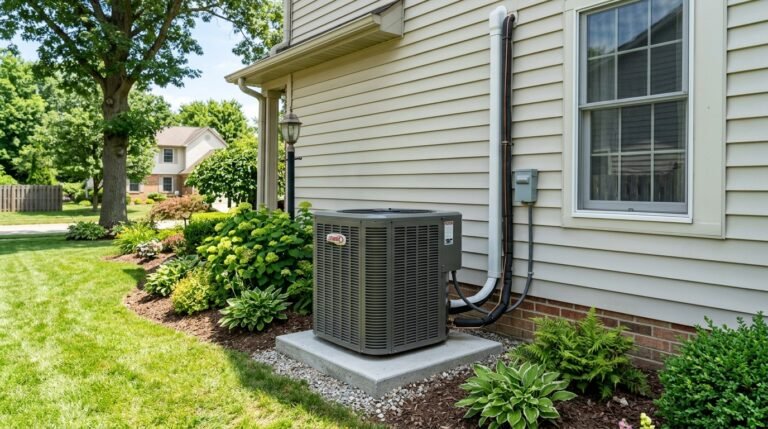
These connect to your existing ductwork, just like a central AC system. They’re the best retrofit for homes that already have forced-air heating — you keep the same vents and thermostat layout, just with dramatically better efficiency.
Ductless Mini Split Heat Pumps
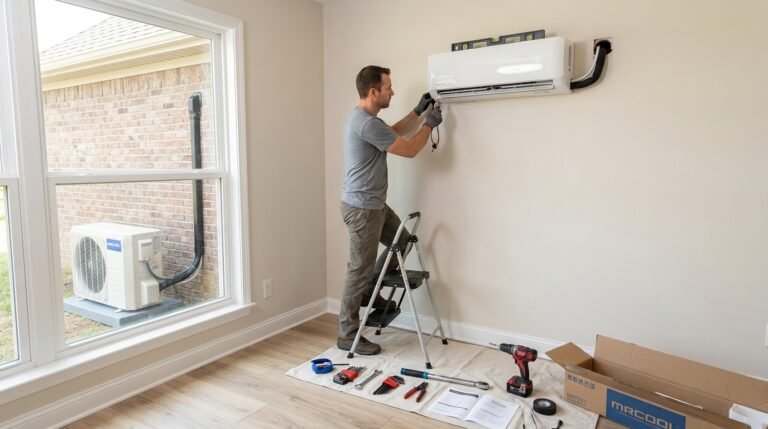
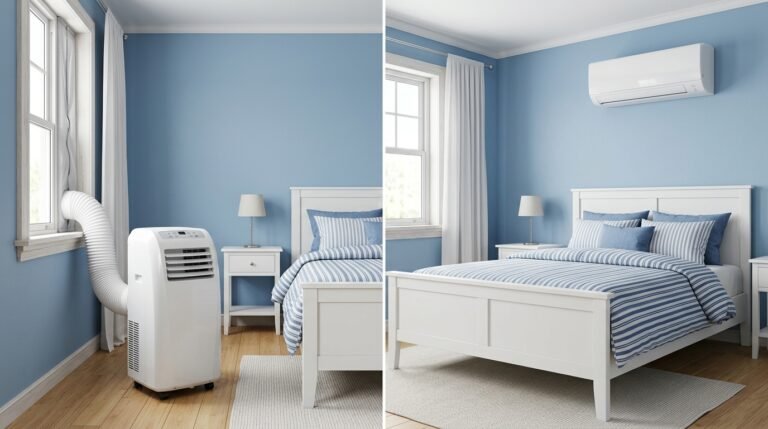
These are the same ductless mini splits we’ve covered elsewhere on this site. They’re ideal for homes without existing ductwork, additions, or for zoning specific rooms. See our ductless heating and cooling guide for a full breakdown.
Cold Climate Heat Pumps
Standard heat pumps lose efficiency as outdoor temperatures drop. Cold climate or “hyper-heat” models maintain rated capacity down to 5°F or below, making them viable for northern climates. They typically cost 10–20% more than standard models but eliminate the need for a fossil fuel backup in most of the country.
Best Air Source Heat Pumps of 2026
Best Overall: Mitsubishi Hyper-Heating INVERTER (H2i)
Mitsubishi’s H2i series is the benchmark for cold-climate performance. It maintains 100% heating capacity at 5°F and continues operating (at reduced capacity) down to -13°F. SEER2 ratings reach 22.5, and the quiet operation (as low as 19 dB indoors) is class-leading. Premium price, but the efficiency savings and cold-weather reliability justify it in northern climates.
Best Ducted System: Carrier Infinity 20 Heat Pump
For homes with existing ductwork, the Carrier Infinity 20 delivers up to 20.5 SEER2 and integrates seamlessly with Carrier’s Infinity thermostat system. Variable-speed compressor technology means it modulates output to match the load rather than cycling on and off — more comfortable and more efficient than single-stage systems.
Best Value: Bosch IDS 2.0
The Bosch IDS 2.0 punches above its price point with an 18 SEER2 rating and variable-speed operation. It performs well in moderate climates and comes with a 10-year parts warranty when installed by a Bosch-certified contractor. Good middle-ground option between budget and premium.
Best for Cold Climates: Daikin Aurora
Daikin’s Aurora handles temperatures as low as -13°F without auxiliary heat. The variable-speed compressor maintains efficiency across a wide operating range, and the HSPF2 rating of 10+ makes it one of the most efficient cold-climate options on the market.
Federal Tax Credit and Rebates
The Inflation Reduction Act provides a 30% federal tax credit (up to $2,000) for qualifying heat pump installations through 2032. Many states and utilities offer additional rebates that can reduce upfront costs by another $1,000 to $3,000. Check the ENERGY STAR rebate finder for your area.
Installation Cost
- Ductless mini split (single zone): $2,000–$5,000 installed
- Ductless mini split (3-zone): $5,000–$12,000 installed
- Ducted central heat pump (replacing existing system): $4,000–$8,000 installed
- Ducted heat pump (new ductwork required): $8,000–$15,000 installed
After the federal tax credit and available rebates, real-world out-of-pocket costs can be significantly lower. A $6,000 central heat pump installation may net out at $3,800–$4,200 after incentives.
Is an Air Source Heat Pump Right for Your Home?
Heat pumps make the most sense if you currently heat with electric resistance, propane, or oil. If you heat with natural gas at current prices, the economics are tighter — but improving air quality and eliminating combustion equipment from your home are benefits that go beyond energy costs.
For a smaller-scale introduction to heat pump technology, a ductless mini split in one zone is a low-commitment way to experience the technology before committing to a whole-home system.
The federal 30% tax credit (up to $2,000) is available for qualifying systems through 2032. Visit ENERGY STAR’s Inflation Reduction Act heat pump tax credit page to verify which models qualify and how to claim the credit.
For a comprehensive overview of how heat pumps work and what to look for, the DOE’s heat pump buyer’s guide covers system types, sizing considerations, and climate-specific recommendations.
Frequently Asked Questions
How does an air source heat pump work?
A heat pump moves heat rather than generating it. In winter it extracts heat from outdoor air and transfers it inside. In summer it reverses the process, acting as an air conditioner.
Are air source heat pumps effective in cold climates?
Cold climate models like Mitsubishi Hyper Heat and Daikin Aurora maintain rated capacity down to 5°F and continue operating at reduced capacity to -13°F.
What tax credits are available for heat pumps?
The Inflation Reduction Act provides a 30% federal tax credit up to $2,000 for qualifying heat pump installations through 2032.
How much does heat pump installation cost?
Single-zone ductless: $2,000–$5,000. Whole-home ducted: $4,000–$8,000. After federal tax credits and rebates, costs can be significantly lower.