Most Energy Efficient HVAC Systems of 2026 (and How to Choose One)
HVAC accounts for about half of a typical home’s energy bill. Choosing an efficient system is the highest-impact decision you can make for long-term energy costs. This guide breaks down what the efficiency ratings actually mean and which systems deliver the best real-world performance.
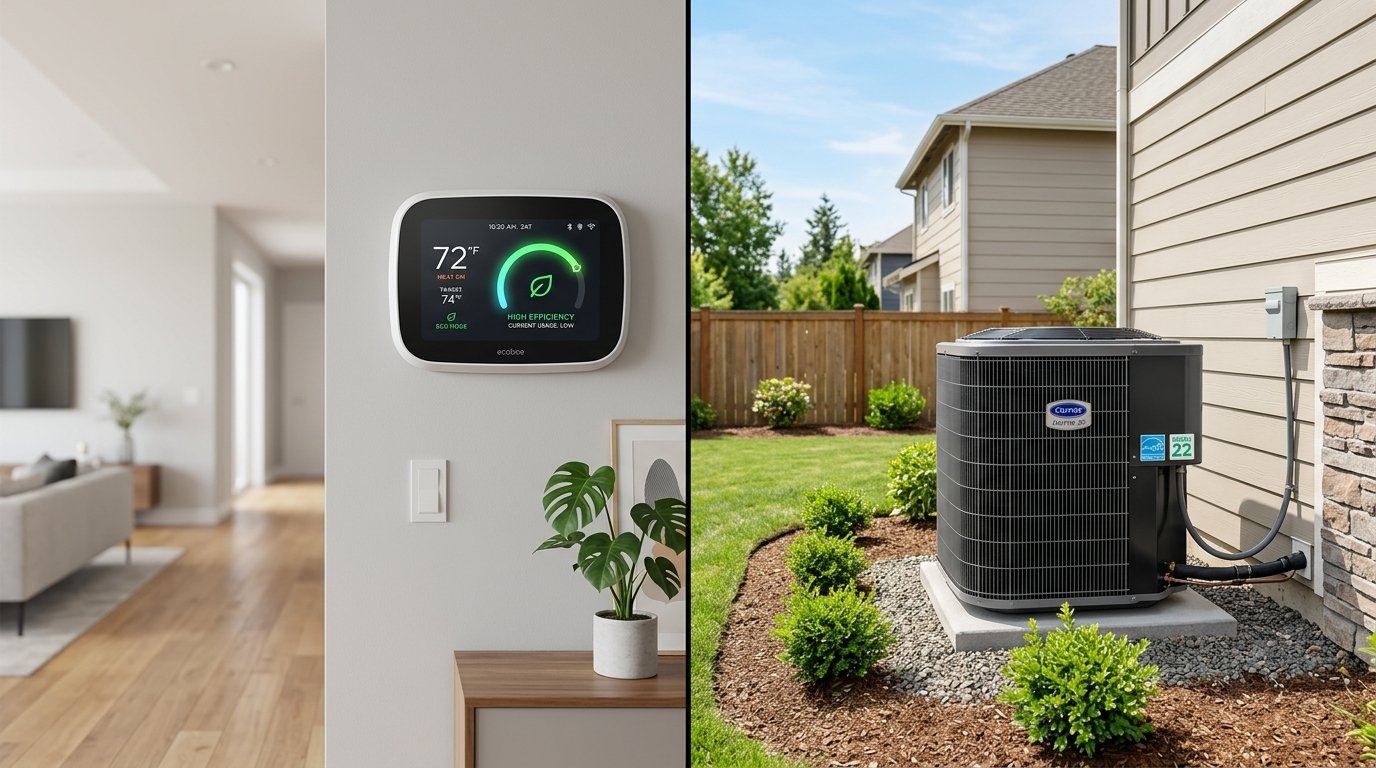
Understanding Efficiency Ratings
SEER2 (Seasonal Energy Efficiency Ratio 2)
SEER2 replaced SEER as the standard cooling efficiency metric in January 2023. It measures how much cooling output (BTUs) a system delivers per watt-hour of electricity over an entire cooling season. Higher is better. Federal minimums for new systems range from 13.4 to 15.2 SEER2 depending on region. Premium systems reach 20–26 SEER2.
The difference between a 14 SEER2 and a 20 SEER2 system is roughly 30% in annual cooling energy consumption. On a $600/year cooling bill, that’s $180 per year.
HSPF2 (Heating Seasonal Performance Factor 2)
HSPF2 measures heat pump heating efficiency. Federal minimum is 7.5 HSPF2. High-efficiency systems reach 10–13 HSPF2. For comparison, electric resistance heat is effectively 3.4 HSPF2 — so a heat pump at 10 HSPF2 is nearly 3 times more efficient than an electric baseboard heater.
EER2 (Energy Efficiency Ratio 2)
EER2 measures efficiency at a specific peak condition (95°F outdoor, 80°F indoor). It’s most relevant for hot climates where the system frequently operates at high outdoor temperatures. SEER2 is better for overall seasonal cost comparison; EER2 matters if you’re in Phoenix or Miami.
Most Efficient System Types
1. Ductless Mini Split Heat Pumps (Most Efficient)
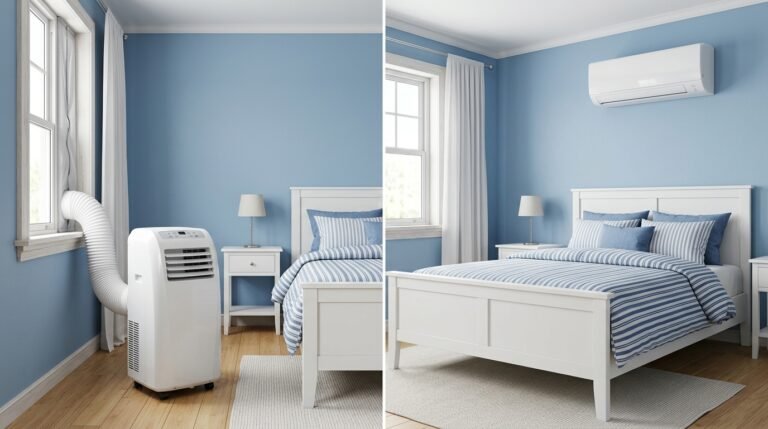
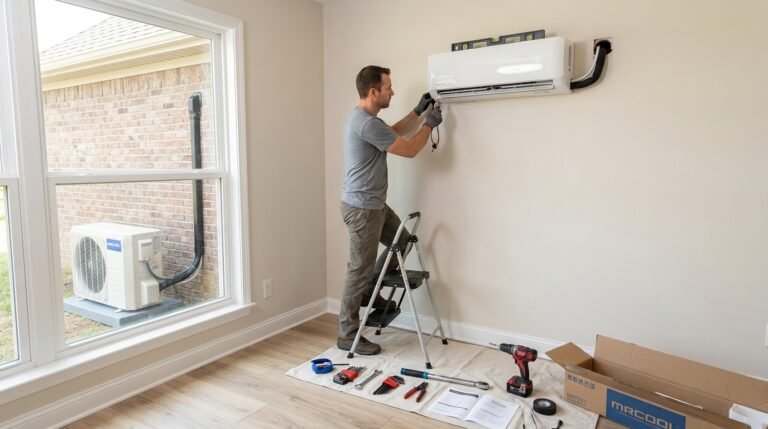
Ductless mini splits consistently top the efficiency charts. Without ductwork, there are no duct losses — which account for 20–30% of energy waste in ducted systems. Top mini splits hit 30+ SEER2 in certain configurations, with real-world HSPF2 figures above 12.
Best for: homes without existing ductwork, single-room applications, supplemental heating/cooling zones.
2. Variable-Speed Central Heat Pumps
Variable-speed (or inverter-driven) heat pumps modulate output to match the load rather than cycling on and off at full capacity. This eliminates the efficiency penalty of constant on/off cycling and provides better dehumidification. Top systems reach 20–24 SEER2 and 10+ HSPF2.
Best for: homes with existing ductwork in moderate-to-cold climates replacing gas or oil systems.
3. High-Efficiency Central AC + Gas Furnace
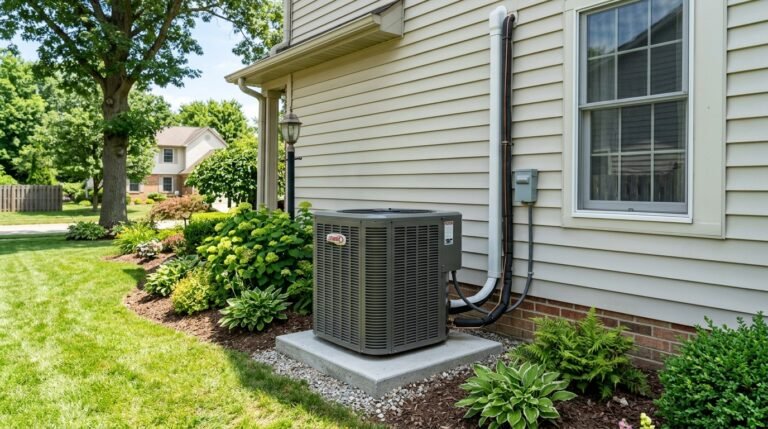
In climates with very cold winters, a high-efficiency central AC paired with a variable-speed gas furnace can still make economic sense in areas with cheap natural gas. Top central AC units hit 24+ SEER2, while high-efficiency furnaces reach 98% AFUE.
Best for: cold climates with low natural gas costs where a heat pump would need significant auxiliary heat.
Best Energy Efficient Systems of 2026
| System | Type | SEER2 | HSPF2 | Best For |
|---|---|---|---|---|
| Mitsubishi MZ-GL18NA | Ductless mini split | 22.5 | 13.5 | Single zones, additions |
| Carrier Infinity 26 | Central AC/HP | 24 | 10.5 | Ducted homes |
| Lennox XC25 | Central AC | 24.5 | N/A | Hot climates |
| Daikin Aurora | Ductless HP | 20 | 10.5 | Cold climates |
| Bosch IDS 2.0 | Central HP | 18 | 10 | Best value ducted |
How to Calculate Your Payback Period
The efficiency premium is only worth paying if you’ll recoup it in energy savings. Here’s a simple calculation:
Annual savings = (1 – lower_SEER ÷ higher_SEER) × annual_cooling_cost
Example: Upgrading from 14 SEER2 to 20 SEER2 with $600/year in cooling costs saves about $180/year. If the efficiency upgrade costs $1,500 extra upfront, payback is about 8 years — reasonable for a system that lasts 15–20 years.
Other Ways to Improve HVAC Efficiency
- Seal duct leaks: Leaky ducts waste 20–30% of conditioned air. Sealing them is often the highest ROI improvement in a ducted home.
- Add attic insulation: Reducing heat gain through the ceiling reduces the load on your AC system.
- Upgrade your thermostat: A programmable or smart thermostat can reduce energy use by 10–15% without touching the equipment.
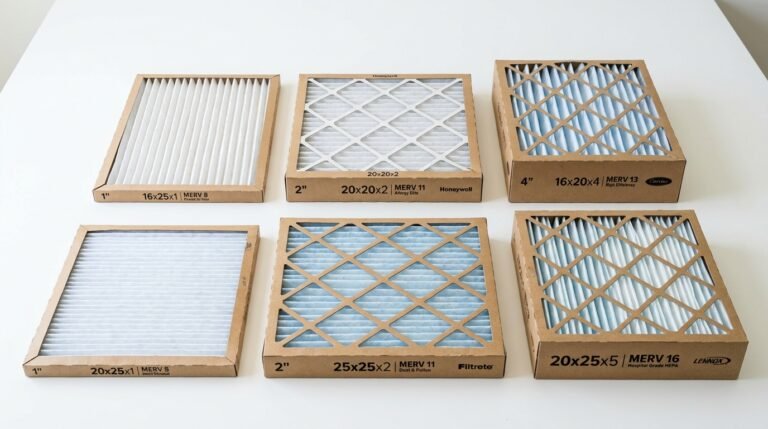
- Change filters regularly: See our AC filter replacement guide for how often and which filters to use.
For the most efficient single-room or zone solution available today, a ductless mini split is hard to beat. For whole-home heating and cooling, see our air source heat pump guide.
The ENERGY STAR Most Efficient designation identifies the top-performing products in each category each year — it’s a reliable shortcut for finding systems that genuinely lead the market on efficiency.
The DOE’s guide to heating and cooling equipment recommends getting multiple bids for installation and verifying contractor credentials through NATE certification before committing to a system.
Frequently Asked Questions
What is the most energy efficient type of HVAC system?
Ductless mini split heat pumps are most efficient, reaching 22+ SEER2 and 13+ HSPF2. Without ductwork they eliminate the 20–30% energy loss typical in ducted systems.
What is SEER2 and why does it matter?
SEER2 measures seasonal cooling efficiency. Higher SEER2 means less electricity for the same cooling. Federal minimums start at 13.4 SEER2; premium systems reach 24+.
How much can I save with a high-efficiency HVAC?
Upgrading from 14 to 20 SEER2 saves roughly 30% in annual cooling costs — about $180/year on a $600 cooling bill.
What SEER2 is considered high efficiency?
18 SEER2 or above is considered high efficiency. ENERGY STAR requires 15.2 SEER2 minimum. For maximum savings, look for 20+ SEER2.