Best Ductless Heating and Cooling Systems of 2026 (Buyer’s Guide)
Ductless heating and cooling systems — commonly called mini splits — are now the fastest-growing segment of the residential HVAC market. They’re more efficient than window units, easier to install than central air, and they heat and cool. Here’s what you need to know before buying.
What Is a Ductless System?
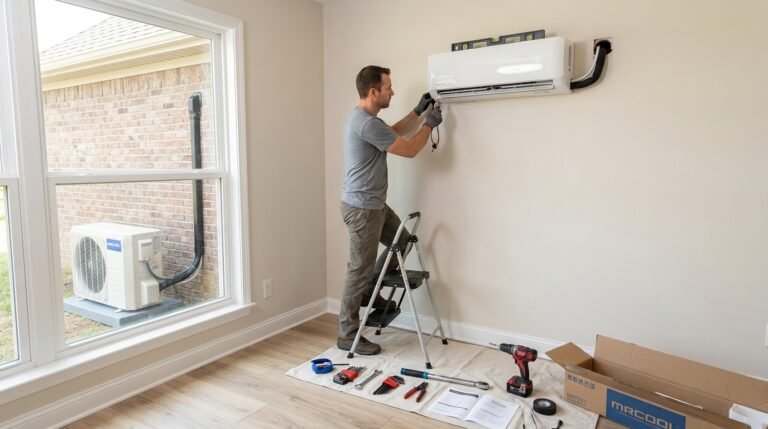
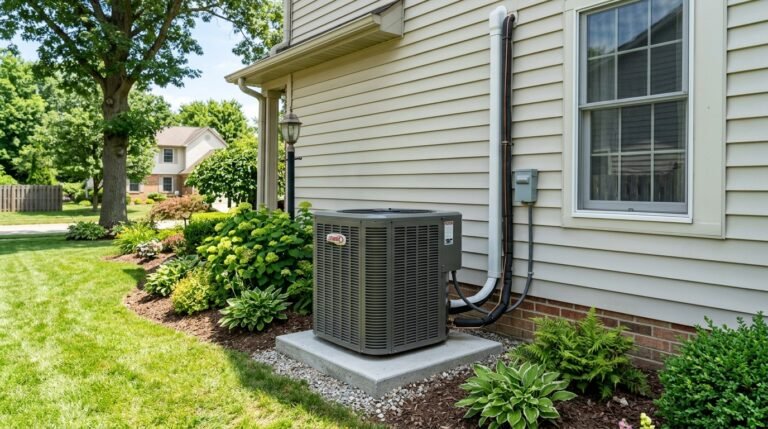
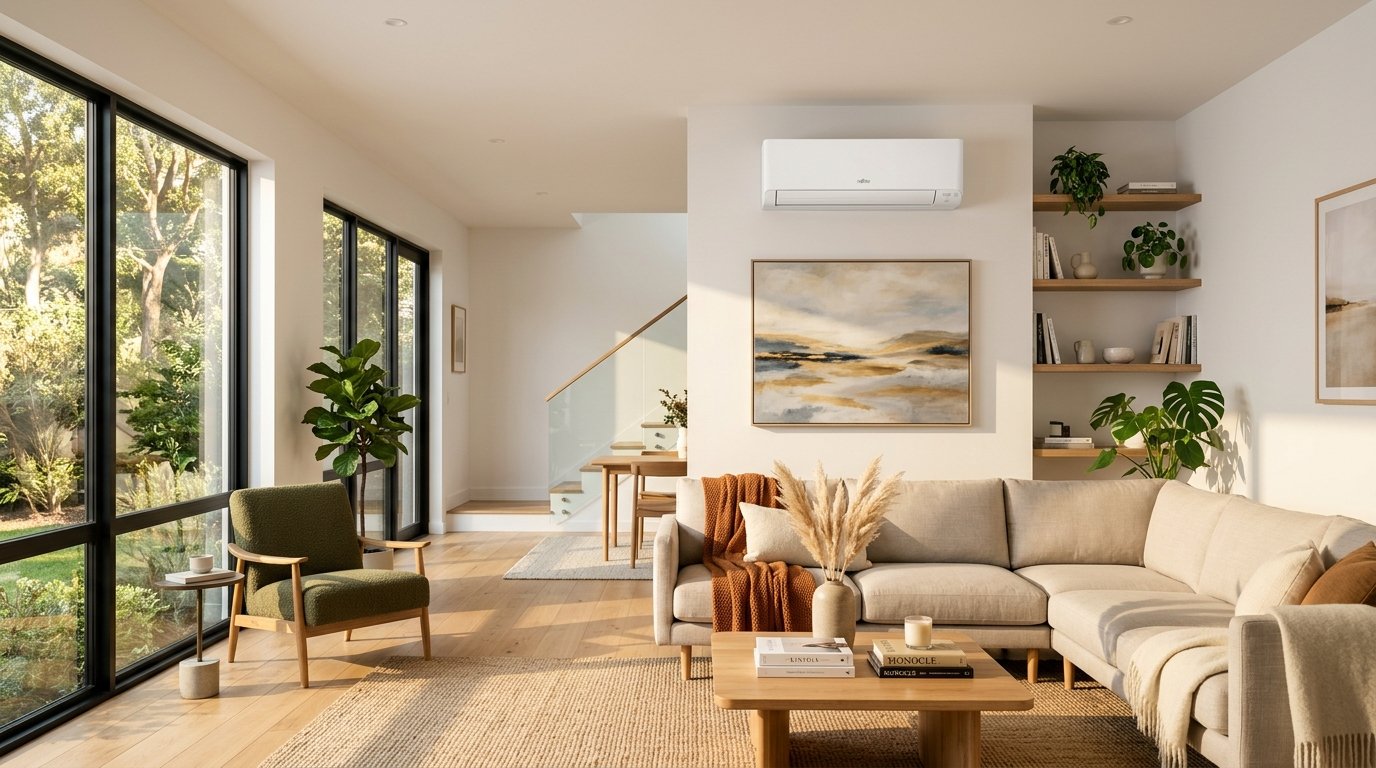
A ductless mini split has two main components: an indoor air handler mounted on the wall and an outdoor compressor/condenser unit. They’re connected by a small bundle of refrigerant lines, electrical wire, and a condensate drain that passes through a small hole in the wall — no ductwork required.
Modern mini splits are heat pumps. They move heat rather than generate it, which makes them 2 to 4 times more efficient than electric resistance heat. In mild climates, they can heat effectively down to 0°F or below (hyper-heat models).
Single-Zone vs. Multi-Zone Systems
Single-zone systems pair one outdoor unit with one indoor unit. They’re ideal for additions, garages, sunrooms, or any space that needs independent climate control. Easier to install and cheaper upfront.
Multi-zone systems connect one outdoor unit to two to five indoor units. Each zone gets independent temperature control. Great for whole-home solutions, but they cost more upfront and require careful sizing to avoid efficiency losses.
Key Specs to Compare
SEER2 Rating (Cooling Efficiency)
SEER2 replaced SEER as the standard efficiency rating in 2023. Higher is better. Minimum for new equipment is 13.4 SEER2. Premium units reach 20+ SEER2. Each additional SEER2 point reduces energy consumption by roughly 5%.
HSPF2 Rating (Heating Efficiency)
HSPF2 measures heating efficiency. Minimum is 7.5 HSPF2. Look for 9+ for significant energy savings if you plan to use the heat function regularly.
Minimum Operating Temperature
Standard mini splits lose effectiveness below 25–30°F. If you live in a cold climate, look for “hyper-heat” or “cold climate” models (Mitsubishi Hyper Heat, Daikin Aurora, etc.) that maintain rated capacity down to 5°F or lower.
Noise Level
Indoor units typically run at 19–32 dB — quieter than a whisper. Budget units can hit 42+ dB at high speed, which becomes noticeable in a bedroom. Check the spec sheet, not just marketing claims.
Best Ductless Systems of 2026
Best Overall: Mitsubishi MZ-GL Series
Mitsubishi is the industry benchmark. The MZ-GL series offers excellent efficiency (up to 21 SEER2), whisper-quiet operation (as low as 19 dB), and rock-solid reliability. The i-see Sensor automatically adjusts temperature based on occupancy. Expensive but worth it for primary living spaces.
Best Value: MRCOOL DIY 4th Generation
The MRCOOL DIY is the best option for homeowners who want to handle their own installation. Pre-charged quick-connect line sets mean no refrigerant technician required. Performance is solid for the price, with app control and Amazon Alexa/Google Home integration.
Best for Cold Climates: Daikin Aurora
The Aurora operates at 100% capacity down to 5°F and maintains some output down to -13°F. It’s Daikin’s answer to the hyper-heat segment and competes directly with Mitsubishi’s H2i models. Strong HSPF2 ratings make it one of the most efficient cold-climate options available.
Best Multi-Zone: LG Art Cool Premier
LG’s multi-zone platform supports up to 5 indoor units with one outdoor compressor. The Art Cool Premier indoor units have a sleek, flat panel design that looks more like wall art than HVAC equipment. Good efficiency ratings and competitive pricing for multi-zone setups.
Budget Pick: Pioneer WYS Series
Pioneer offers a solid budget option with 17+ SEER2 ratings and decent reliability. Not as quiet as the premium brands, but a significant step up from window units in terms of efficiency and comfort.
What Size Do You Need?
Mini splits are rated in BTUs. A rough rule of thumb: 12,000 BTU (1 ton) for every 400–600 square feet. But ceiling height, insulation quality, window area, and climate all affect the calculation. An undersized unit will run constantly and never reach your setpoint. An oversized unit will short-cycle, reducing efficiency and humidity control.
| Room Size | Recommended BTU |
|---|---|
| Up to 350 sq ft | 9,000 BTU |
| 350–550 sq ft | 12,000 BTU |
| 550–700 sq ft | 15,000 BTU |
| 700–1,000 sq ft | 18,000 BTU |
| 1,000–1,500 sq ft | 24,000 BTU |
Installation Cost
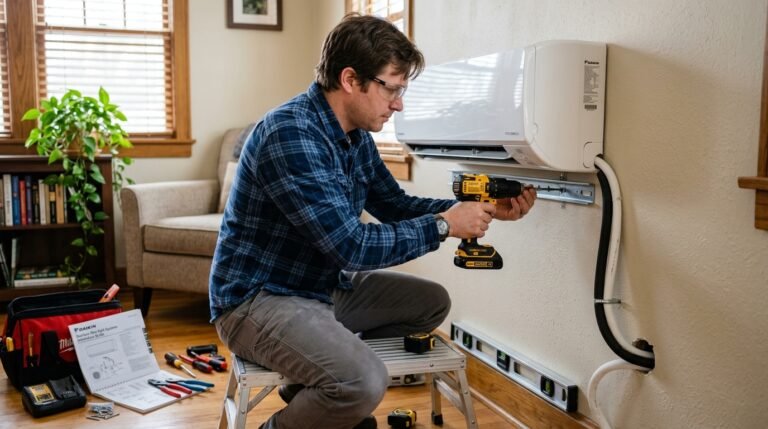
- DIY installation (pre-charged system): $0 in labor, ~$800–$1,500 for equipment
- Professional installation, single zone: $1,500–$3,500 total (equipment + labor)
- Professional installation, multi-zone (3 zones): $4,000–$8,000 total
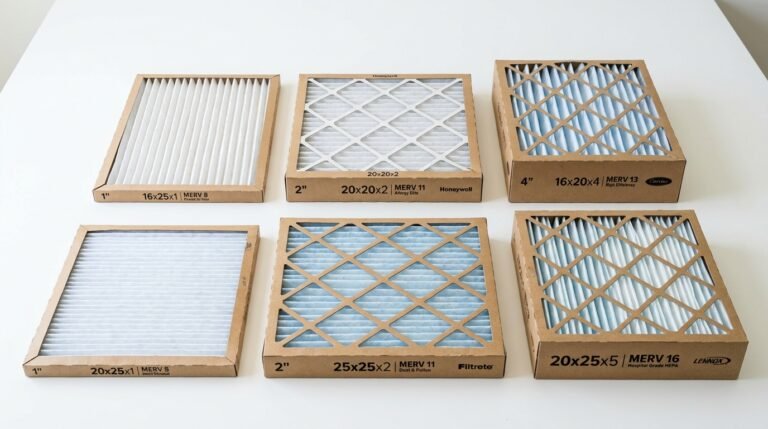
Ready to install one yourself? Our DIY mini split installation guide walks through every step. Already have a mini split? Learn how to keep it running efficiently with our AC filter replacement guide.
Look for ENERGY STAR ductless mini split certification when comparing systems — certified units meet strict efficiency thresholds and often qualify for utility rebates that can reduce upfront costs by hundreds of dollars.
The DOE’s heat pump information explains why ductless mini splits are classified as heat pumps and how they achieve heating efficiencies of 200–400% compared to electric resistance heating.
Frequently Asked Questions
What is a ductless heating and cooling system?
A ductless mini split has an indoor air handler and outdoor compressor connected by refrigerant lines — no ductwork needed. Modern mini splits are heat pumps that both heat and cool.
How much does a ductless system cost?
Single-zone systems cost $1,500–$3,500 installed professionally. DIY systems cost $800–$1,500 in equipment with no labor cost.
What SEER2 rating should I look for?
Look for at least 17 SEER2. Premium systems reach 20–22 SEER2 for lower energy bills.
Can a mini split heat in winter?
Yes — standard models work to 25–30°F. Cold climate models like the Daikin Aurora maintain capacity down to -13°F.